Notice
Inkwell on the Future of Global MapleStory and Classic World
Inkwell on the Future of Global MapleStory and Classic World
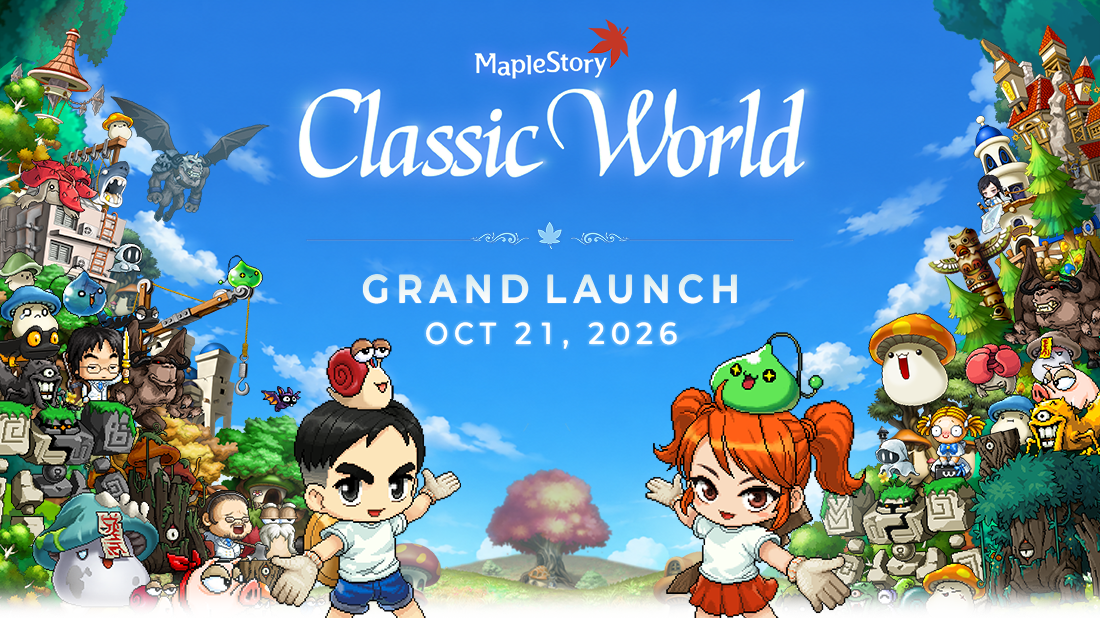
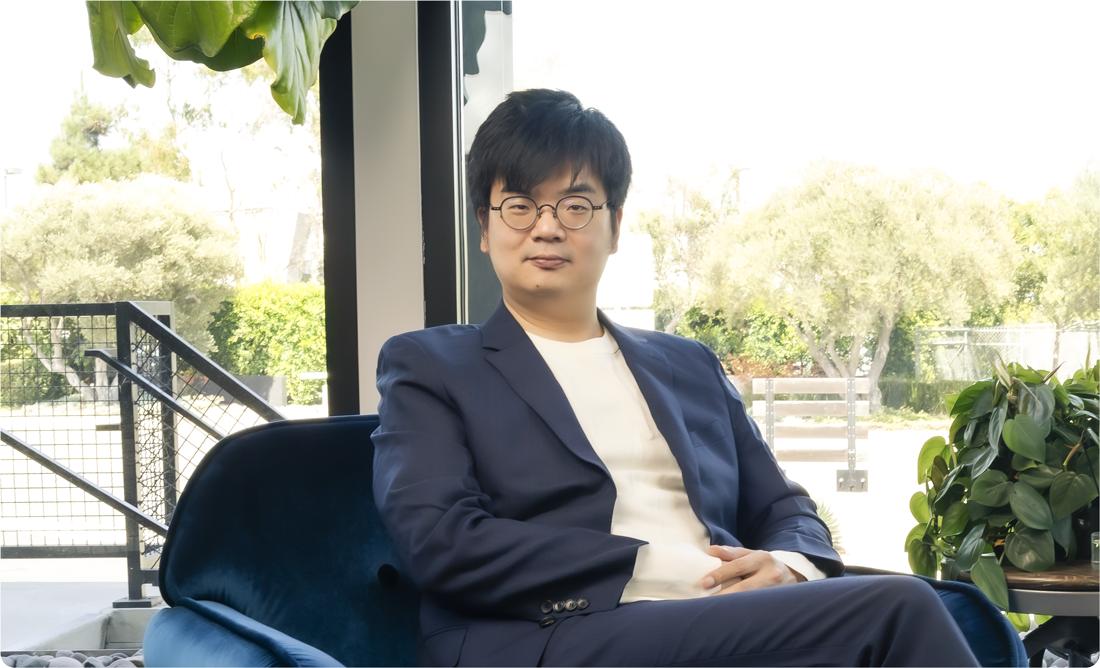
CPO Hanbyeol Oh, better known to Maplers as Inkwell, meets with Jaime from the Nexon America Team to discuss the evolution of Global MapleStory, the origins of Classic World, and how both experiences will grow side by side.
A Conversation with Inkwell
There is one name that has been continually brought up amongst MMORPG players lately: Global MapleStory Classic World.
Classic World is drawing attention as a project that brings players back to an earlier era of MapleStory, while making it clear that its goal is not simply to recreate the past. At the center of the project is Hanbyeol Oh, CPO (Chief Product Officer) at Nexon America, better known to MapleStory players as “Inkwell.”
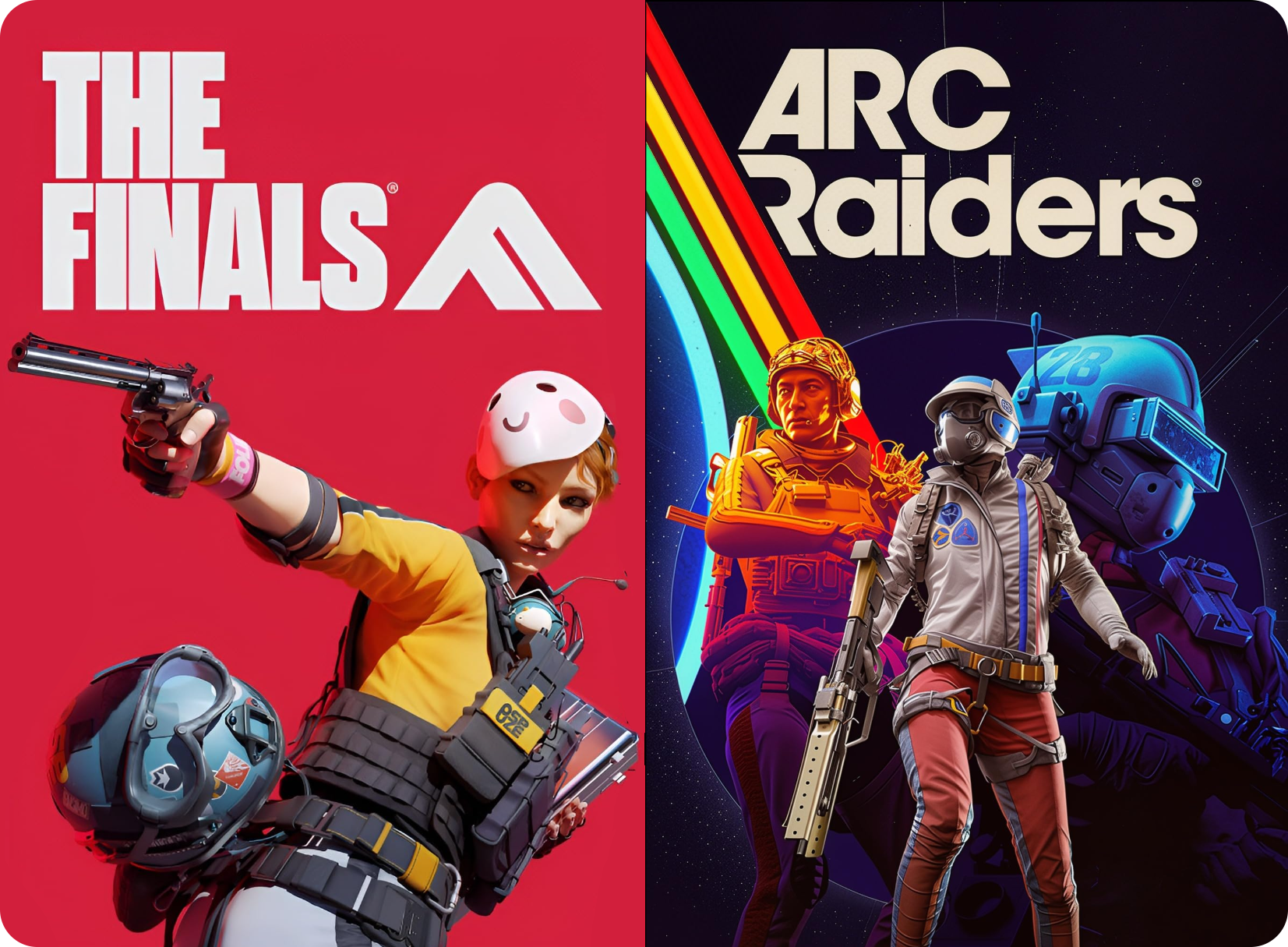
After working on MapleStory development and serving as a Director, then taking on an international production role, Oh went on to lead game development efforts in Western markets at Nexon in the U.S. and spent many years alongside Embark Studios through the development journeys of THE FINALS and ARC Raiders. He has since returned to MapleStory with a new vision for its future.
Nexon America's PR team spoke with Inkwell about why he chose to return to MapleStory, where Classic World came from, and where he hopes to take Global MapleStory in the years ahead.
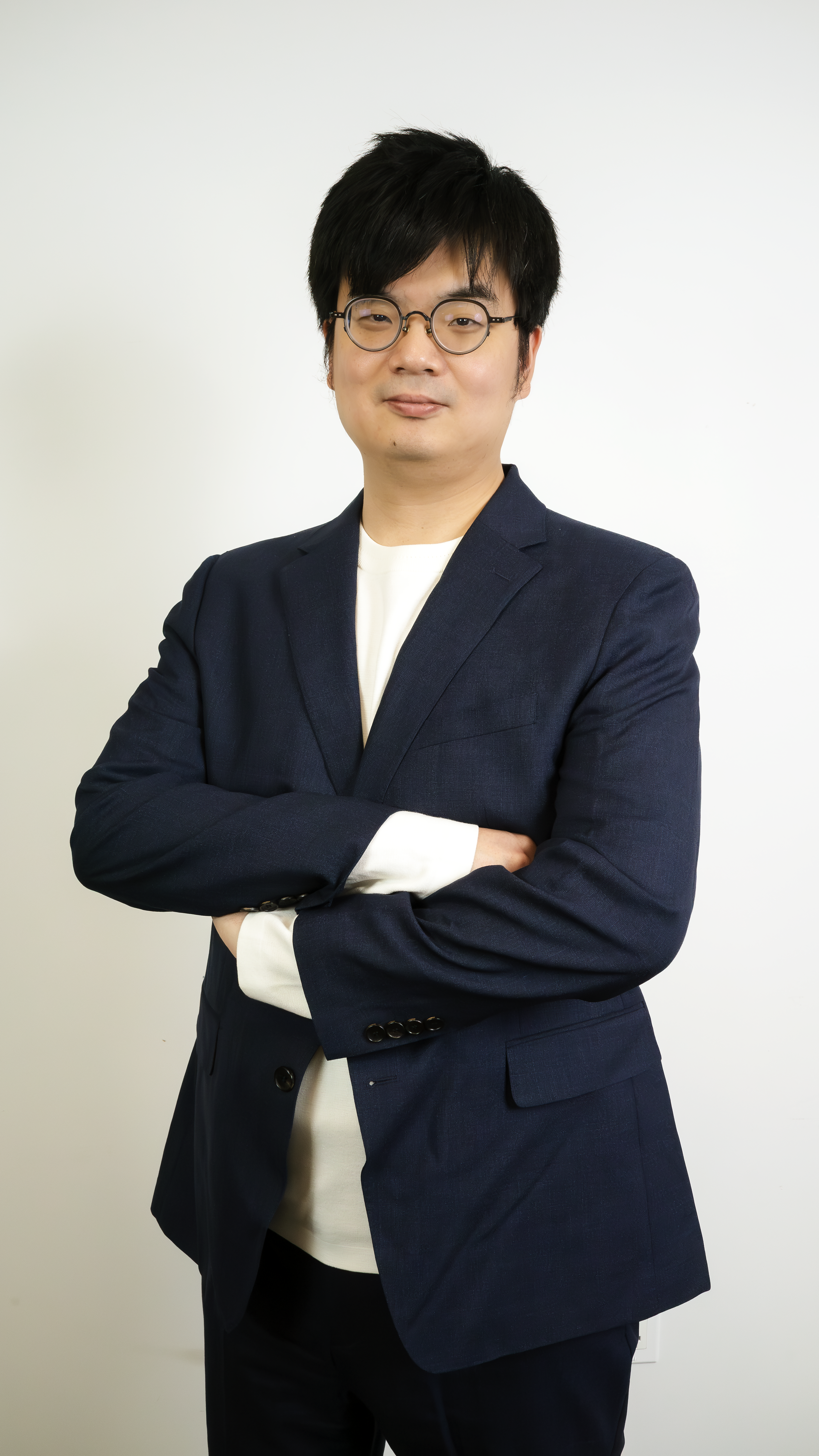

To start, could you introduce yourself for readers who may not know much about Inkwell yet? You have a very long history with MapleStory.

Of course. I’m Hanbyeol Oh, CPO (Chief Product Officer) at Nexon America, and currently the head of Global MapleStory.
MapleStory has been a major part of my career from the very beginning.
I first worked on MapleStory development at Nexon Korea and later served as the Director of MapleStory in Korea. I believe I was effectively part of the last generation of Wizet Studio.
After that, my responsibilities expanded, and I later took on an Executive Producer role overseeing MapleStory across international markets.
So for me, MapleStory is not simply a game I happened to work on for a period of time, it has been a very large part of my career. I experienced the game not only as it was being built and growing, but also as it evolved through the challenges that come with operating a live service over many years.
That said, I think this is probably the extent of what most players know about my background.
In reality, the experiences I gained outside Korea over the last decade-plus have had an equally significant influence on who I am today.
You later moved to the United States. What kind of work were you doing during that period?
After moving to the U.S., I spent a number of years away from MapleStory, taking on new responsibilities and working on projects that couldn’t be more different.
At the time, I served as VP of Production, leading Nexon’s Western game production efforts, and I was involved across the production and development management of several new game projects aimed at international markets.
It was a very transformative period for me personally.
I had spent a long time working within the MapleStory franchise, and suddenly I had the opportunity to work with a number of new game studios, each building very different kinds of games with their own genres, development cultures, and production methodologies.
That experience broadened both the way I look at games and the standards I apply to production.
Wasn’t one of those companies Embark Studios?
Yes. I worked very closely with Embark Studios in a collaborative capacity for about five years.
I was there through the development of THE FINALS and ARC Raiders from very early stages, and we worked together to establish development milestones and move the games through production.
It was a very special experience for me.
Embark Studios is full of exceptionally talented people, and they set the quality bar extremely high.
I had the opportunity to see firsthand how much thought, iteration, collaboration, and discipline it takes to turn an idea into a highly polished global game.
THE FINALS and ARC Raiders have both gone on to become widely recognized projects in the global market, and being able to participate from the very beginning of those journeys gave me the opportunity to learn a tremendous amount.
I learned a great deal about AAA production processes and quality, of course, but just as importantly, it helped me better understand what players across different markets expect from games, and what it takes to build and deliver a product for a global audience.
That experience continues to influence how I think about Global MapleStory today.
You returned to MapleStory around the time THE FINALS launched. What led to that decision?
I thought about it quite a bit. (laughs)
By that point, I had already spent many years working on projects outside MapleStory, and personally, I was really enjoying the experience of working on new kinds of games.
ARC Raiders had also gone through several major iterations and had finally moved toward the direction that eventually became the game people know today. At the time, the team was fully engaged in refining the game and raising its level of polish.
Then I heard that the company was preparing a new vision for MapleStory, particularly with a renewed focus on international markets, and I was asked whether I would consider taking responsibility for Global MapleStory again from the U.S., where I am based.
At first, I asked myself:
“Is going back to MapleStory the right decision for me? And what would it mean to me at this point in my career?”
It was not an easy decision after spending so long working on other projects.
But the more I thought about it, the more I felt that MapleStory is still one of Nexon’s most important IPs, and that there was still a great deal of unrealized growth potential in the global market.
More than anything, I also found that my personal affection for MapleStory, a project I had been away from for so long, was beginning to come back strongly.
Looking back, I think that emotional reason may have been the biggest factor.
MapleStory also has an incredibly dedicated fan base that has cared about the game for many years.
I began to feel that, together with those players, Global MapleStory could do more than simply maintain what already existed. It could take another meaningful step forward.
And I found myself thinking:
“At this point in my career, perhaps there is something I can do for the people who may love this game even more than I do.”
If I could bring the experiences I had gained outside MapleStory back into a game I deeply care about, I felt that would be meaningful to me as well.
That is why I decided to return.
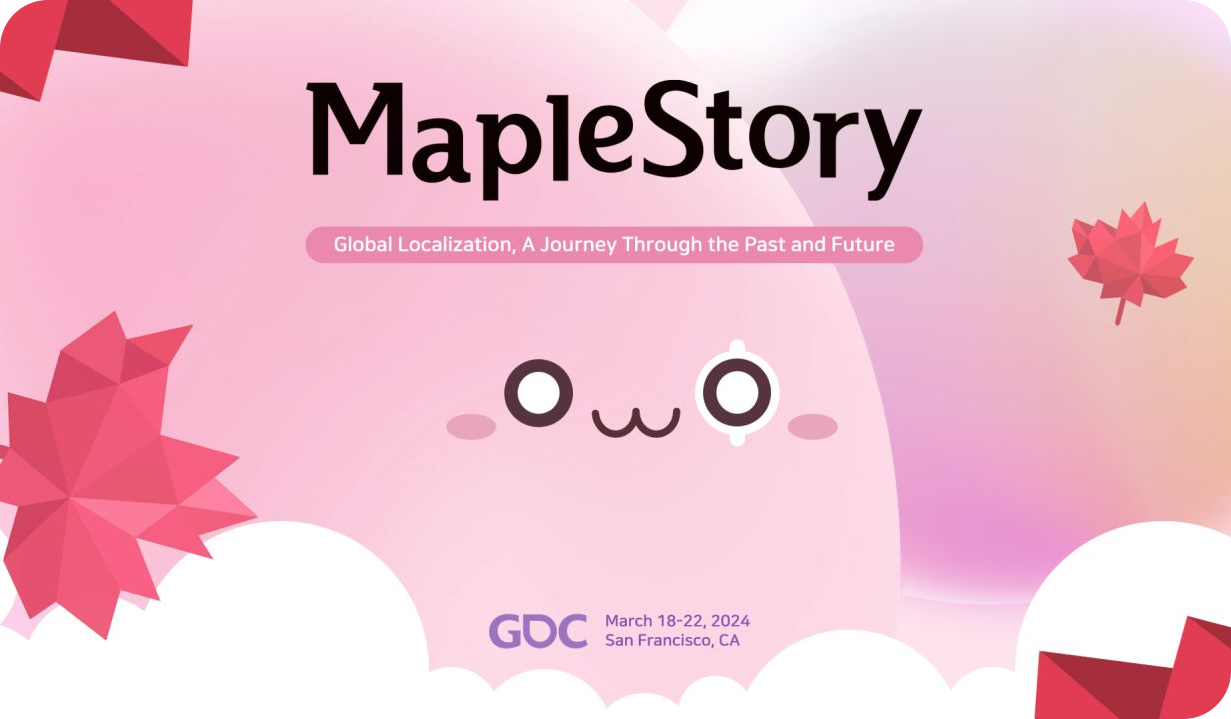
At GDC (Game Developers Conference) 2024, you spoke publicly about Hyper-localization for Global MapleStory. Did you already have a broader vision in mind at that point?
Yes. At the time, we were not yet able to publicly discuss every initiative we were working on, but the broader direction was already becoming quite clear.
What I wanted to communicate at GDC 2024 was not simply, “We should localize Global MapleStory better.”
I was thinking about something more fundamental:
What kind of service does Global MapleStory need to be if we want it to continue growing over the long term?
And how do we reflect the expectations and play patterns of players in different markets directly in the product itself?
That was why I began placing greater importance on the idea of Hyper-localization, beyond the traditional localization model.
Rather than simply taking the original source and operating it effectively in another region, I believed we needed to understand the players in the markets we directly serve at a much deeper level and, where necessary, reflect those differences in the game mechanics and service structures themselves.
Looking back, many of the initiatives we are working on today illustrate the process of turning the direction I spoke about then into actual products and services.
When you returned, what did you feel needed to change first?
We first needed to build an organization and production structure capable of operating and evolving Global MapleStory sustainably over the long term.
That’s why I have spent a significant amount of time over the past two to three years on team building.
Those earlier experiences working with Embark Studios helped me understand what kind of organization we needed, which roles were missing, how different disciplines should collaborate, and how to prioritize within limited resources.
There were so many things we wanted to do.
We wanted to build new systems, create new content, revisit and improve older content, improve communication, support new platforms, and expand language support.
But once you begin doing the work, time and resources are always limited.
Even so, we have continued trying to make as many meaningful changes as possible with the resources we have.

How does Hyper-localization actually work in practice?
Traditional localization usually means taking a primary source material, translating it, and making some adjustments for a particular region.
That is important.
But I believe Global MapleStory needs to go one step further if it is going to grow over the long term.
We need to understand how players in the markets we serve play the game in their own unique ways, what they value, where they feel friction, and then reflect that understanding directly into game mechanics and service decisions.
That is what Hyper-localization means to us.
If I had to describe it in one sentence, I would say:
“It’s moving from adapting one original product for different regions to understanding players in each region and building a Global MapleStory experience that is better suited to them.”
And our goal is not limited to any one specific market.
Over time, we want to deepen our understanding of the many different regions and cultures within the Global service and provide experiences that are better suited to the players in each of them.
Rather than assuming that one answer developed for one market should automatically apply everywhere else, we want to respect the differences between regions while still creating a cohesive MapleStory experience that can satisfy a broader range of players.
Through that process, one of our key missions is to create the foundation for MapleStory to continue expanding into new regions and new player communities, and to grow as a global franchise over the long term.
Do you feel those changes have been working?
Since we began introducing the Hyper-localization approach, Global MapleStory has continued to grow in both its player base and the overall scale of the service, reaching new highs year after year.
At the same time, there is still a tremendous amount of work to do, so I would not want to say, “We have already succeeded.”
If anything, I think we still have a long way to go.
I am also very aware that we are still far from fully meeting the expectations our players have for MapleStory and for our team.
But I do think we are seeing clear signs that the direction itself is working.
About three years ago, if you looked at the online community, there was a great deal of pessimism about the future of Global MapleStory.
There were even fairly regular discussions asking when Global MapleStory might shut down.
I was honestly a little surprised when I first saw those conversations.
But once I began looking more closely at the community, I realized those kinds of posts were not uncommon at all.
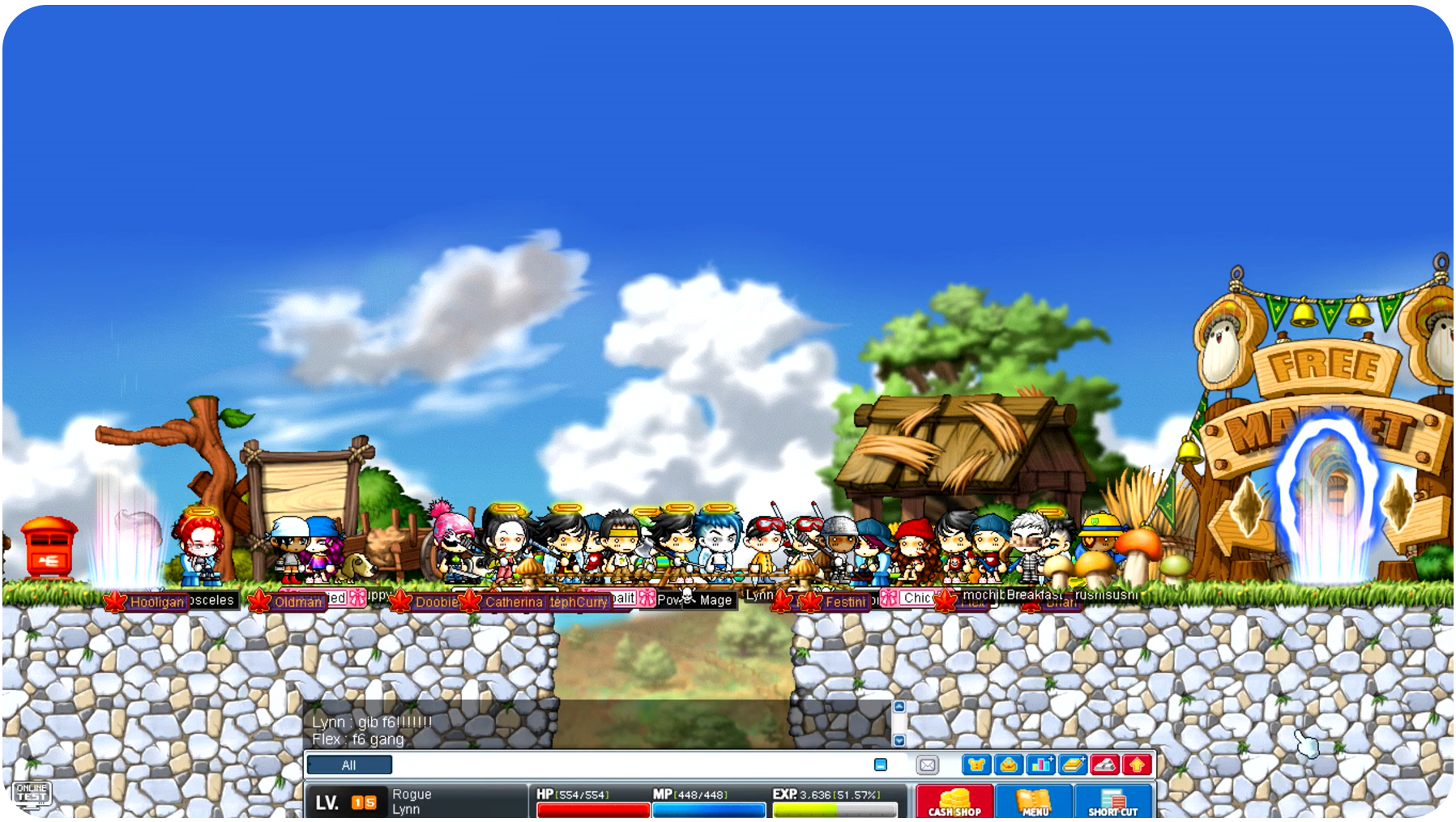
Today, there are still plenty of debates and criticism around updates, balance, and operations. That is natural for a live service game, and in many ways, I think it is healthy.
But the kind of doom sentiment that suggested, “This game may disappear soon,” has decreased substantially compared with the past. In fact, it is now quite rare to see that kind of discussion at all.
That may seem like a small change, but I think it’s meaningful.
The conversation has increasingly shifted from whether the game will continue to how the game can become better.
In that sense, I think the direction we have pursued over the past few years has begun to produce meaningful results.
And how did those results influence the development of Classic World?
As I thought about how Global MapleStory could take another meaningful step forward, I began looking at the service from a broader perspective, and one issue became increasingly clear to me.
MapleStory has been operating for more than 20 years, and in that time it has accumulated an enormous amount of content and systems.
For players who have stayed with the game for a long time, that creates tremendous depth.
But the situation is very different for someone who played MapleStory 10 or 15 years ago and is thinking about coming back.
We heard comments like:
“I want to come back, but the game looks so complicated now that I do not even know where to start.”
And even when returning players did come back, it was not uncommon for them to struggle with the number of systems and mechanics and leave again relatively quickly.
I also felt that the same complexity could make it difficult for completely new players to understand the game and find a comfortable way into MapleStory for the first time.
We will, of course, continue working to make the current Global MapleStory experience more accessible to both new and returning players. But at the same time, I felt there was room for another entry point into the MapleStory universe — one built around a simpler and more approachable experience from the ground up.
At the same time, we continued to hear strong demand for the simpler experience of early MapleStory.
That led me to a question:
“Could we create another pathway into MapleStory?”
The idea was not to simplify the current Global MapleStory experience.
Rather, I wanted to create another way to experience MapleStory — something with a lower initial barrier, where returning players could reconnect with the game more naturally and new players could also find it easier to discover what makes MapleStory special.
That was the fundamental starting point of Classic World for me.
And at the same time, I believed that if Classic World could bring a new group of players into the MapleStory ecosystem, it could create a foundation for Global MapleStory itself to grow alongside it.
From that point onward, of course, it became something we had to build as a team.
Some players believe that if something is called “Classic,” it should recreate the old MapleStory exactly as it was. Is that the direction of Classic World?
Our thought process is a little different for Classic World.
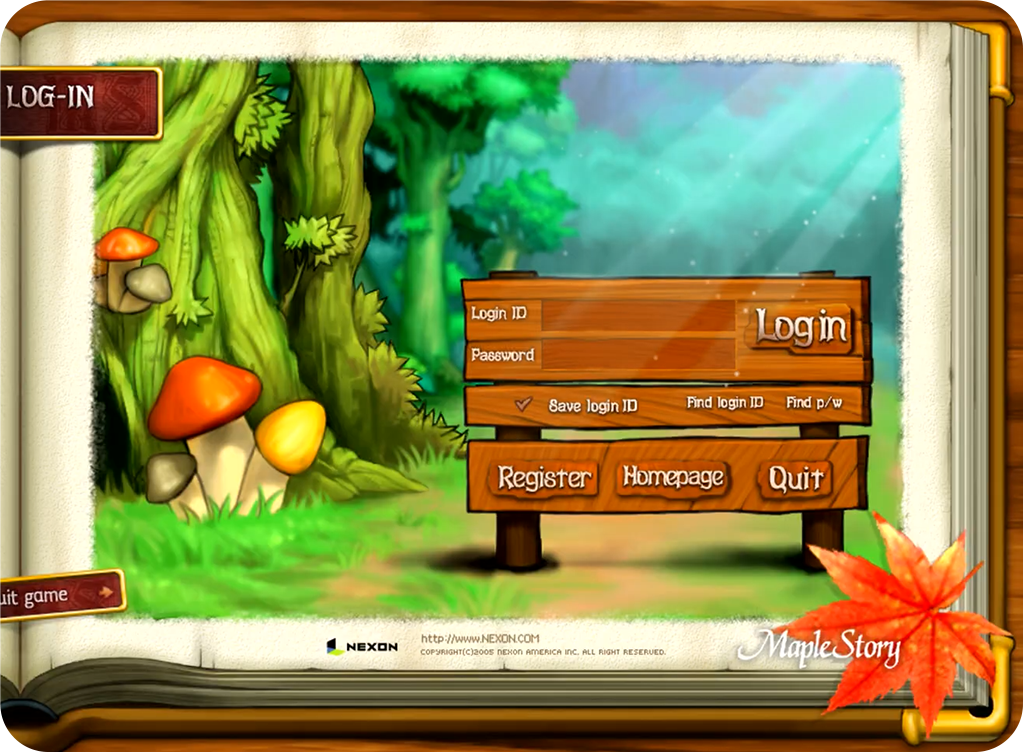
Our goal is not to recreate MapleStory from 20 years ago on a one-to-one basis.
Classic World includes not only me, but also Nemi, who was deeply involved in the original MapleStory game design, and Dr. Lim, who had led MapleStory’s art direction since before the Big Bang era, along with other people who were directly involved in early MapleStory and understand the game extremely well.
At the very beginning of the project, Nemi and I worked together to establish the fundamental direction and structure, and over time, veterans who had worked on MapleStory in the past began returning to participate in the project as well.
Because of that, one of the questions we find ourselves asking more often is:
"If we had the opportunity to make Classic World back then, knowing everything we know now, what would we have done differently?"
We want to preserve the emotion and core experience of early MapleStory.
But there were also things we could not do at the time because of technical limitations or development schedules, as well as stories and systems that we never had the opportunity to fully develop.
We want to continue those ideas in Classic World.
So rather than simply reproducing the past, I think of it more as continuing and evolving the possibilities that early MapleStory originally had.
Do you see Global MapleStory and Classic World competing with each other?
I think Global MapleStory and Classic World are designed around very different kinds of experiences and play styles.
The current Global MapleStory experience offers deep character progression, sophisticated systems, a wide range of content, and a strong emphasis on the satisfaction of combat and continued character growth.
For players who enjoy the excitement of combat, faster progression, deep character growth, and the breadth and sophistication of modern game systems, the current Global MapleStory experience may be a better fit.
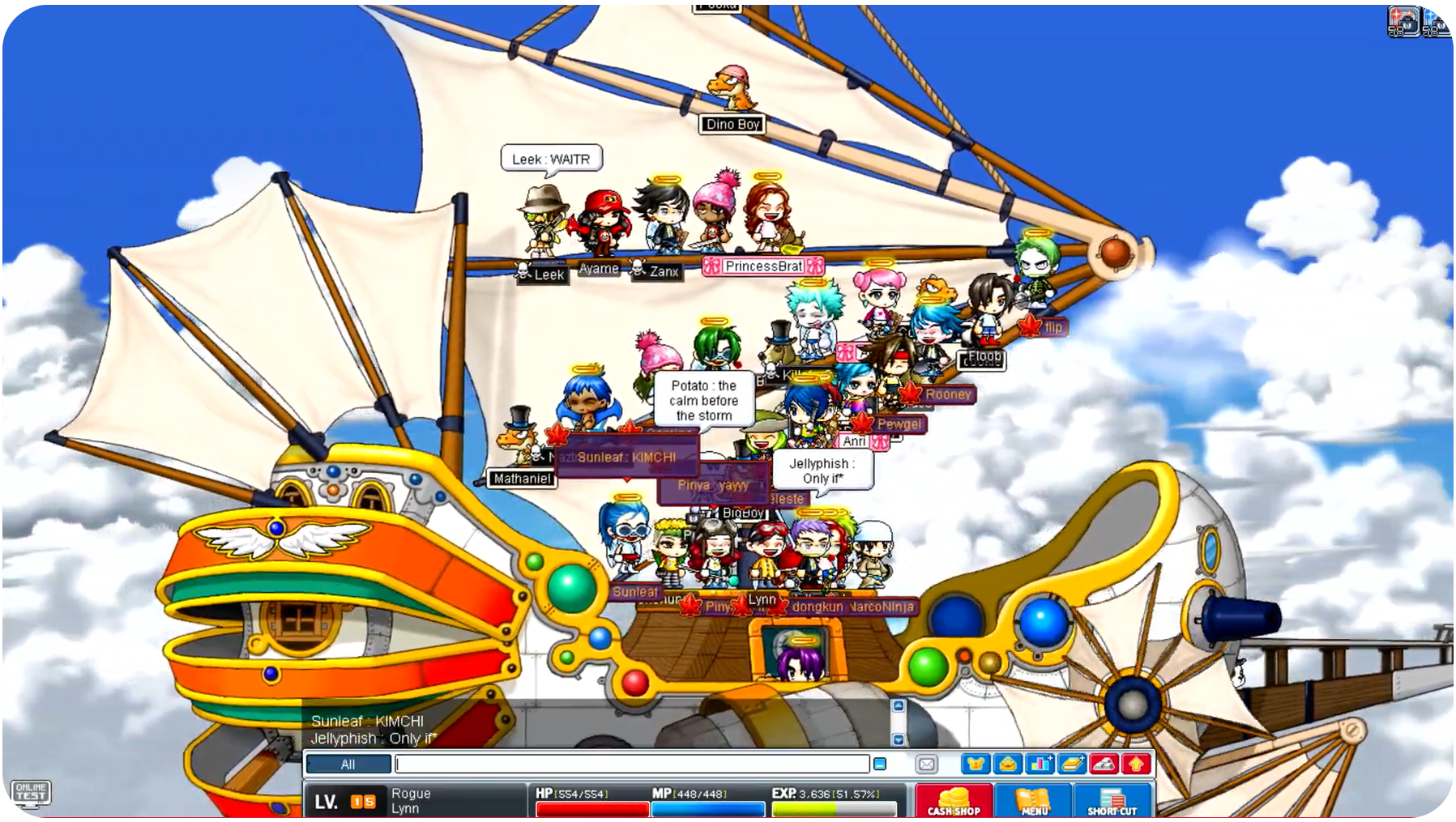
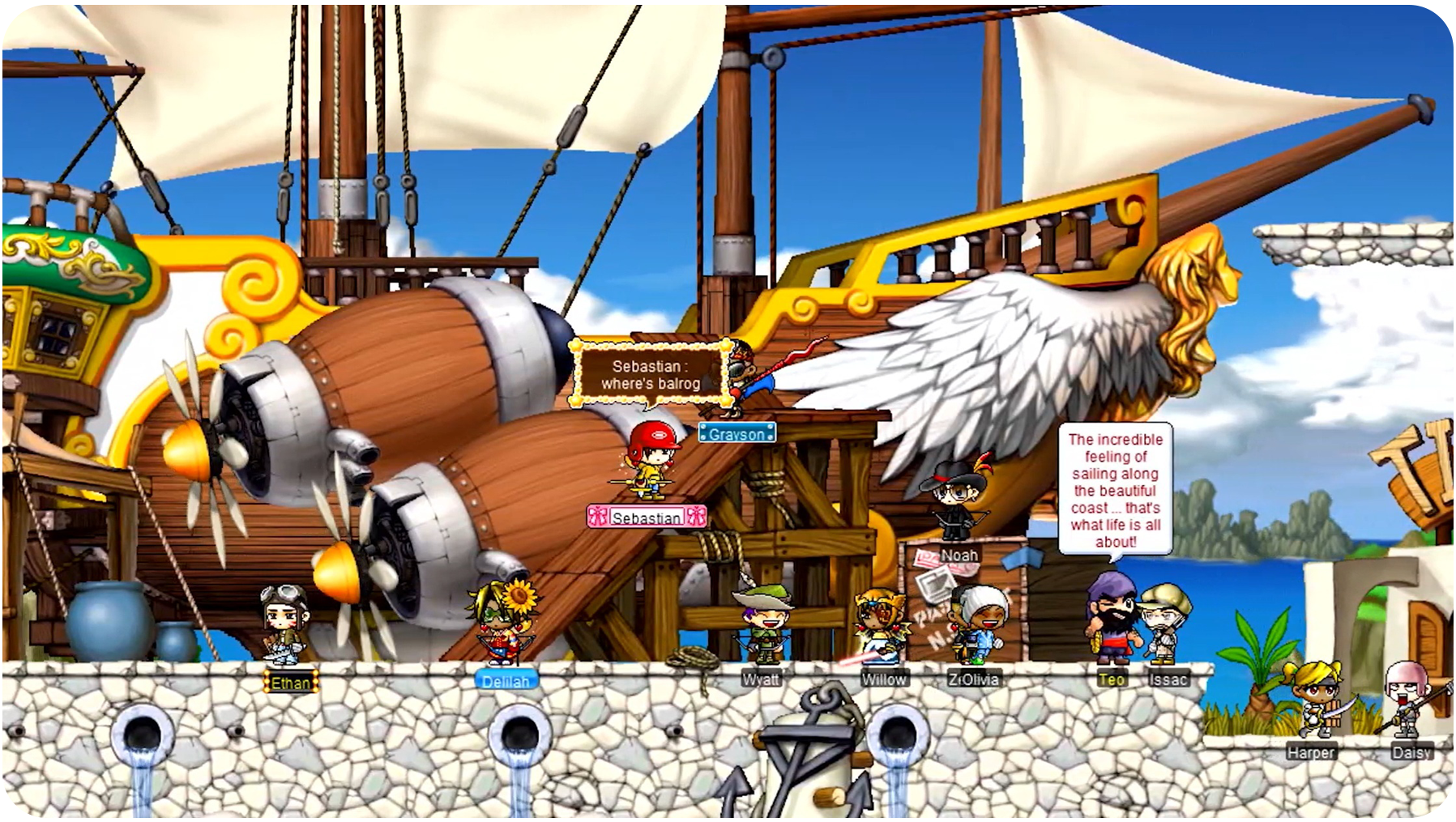
Classic World, on the other hand, is intended to offer a more relaxed and social experience, with a greater emphasis on enjoying the world and the people around you at your own pace.
We want it to be a place where talking with friends, making steady progress, or simply spending time in town can all feel like meaningful parts of the gameplay experience.
In that sense, I sometimes think of Classic World as a kind of comfortable place to rest within MapleStory.
The goal is to design Global MapleStory and Classic World to complement one another—not compete with or cannibalize each other.
Ultimately, we want to welcome players with different tastes and play styles into MapleStory and expand the overall Global MapleStory audience together.
“Taking it slow” seems to be a major part of Classic World’s philosophy.
Yes.
Internally, we sometimes talk about “the beauty of taking it slow.”
A lot of online games today are built around very fast progression, constant updates, and competition.
We intentionally want Classic World to feel somewhat different.
We want players to be able to step away for a while and come back without feeling, “I am hopelessly behind.”
We want spending time talking with friends or simply exploring the world to feel meaningful.
If you remember early MapleStory, leveling was not necessarily the only thing that mattered.
Talking with someone in town, waiting for a ship together, or wandering around without a specific goal and discovering a new place could all become meaningful memories.
We want to bring that sense of meaning back with Classic World.
Of course, that direction will not be for everyone.
Some players may find it slow or even a little uneventful.
And that is okay.
If you prefer a faster-paced, more modern experience with a broader range of content, the current Global MapleStory is there for you.
Not every MapleStory experience needs to provide the exact same kind of enjoyment to every player.
Does that mean the pace of updates will also be different from the current Global MapleStory experience?
Yes.
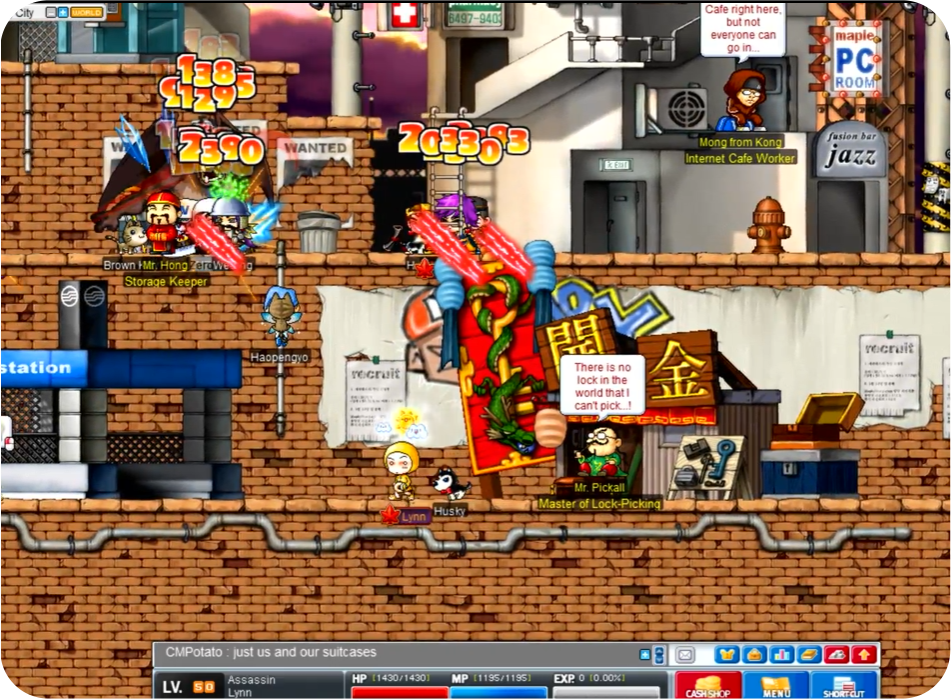
We do not want to operate Classic World by simply releasing content as soon as it becomes available.
We want to give players enough time to experience each stage of progression and the community experience that exists around it.
I also think that if we want to preserve the game’s simpler nature, rapidly stacking content on top of content is not always the best approach.
That doesn’t mean we are unprepared for what comes next.
We already have a number of future updates prepared, while continuing to develop new ones.
The important question is not simply, “How quickly can we release this?”
It is:
“When is the right time to introduce this content for the Classic World experience?”
After launch, will Classic World simply follow the original MapleStory update order?
No.
Content such as 3rd Job or certain regions may be introduced sequentially where it makes sense.
But we are not planning to reproduce every piece of historical MapleStory content in exactly the same order.
Some content will be selected, some may be adapted to better fit Classic World, and we will also create completely original content.
We have already shown some examples during our previous Closed Online Tests, such as Forgotten Hollow and the Citizenship system, which were created specifically for Classic World.
At Grand Launch, players will also see another completely new piece of content.
We are also working on a new boss.
But if I say too much here, I may not have anything left to talk about at MapleStory Fest. (laughs)
We plan to share a more detailed look at the post-launch roadmap at MapleStory Fest in October.
Monetization is another area that players are concerned about, particularly whether Classic World could eventually become P2W.
I am very aware of that concern.
At the same time, P2W can mean very different things to different people, so I do not think it is easy or necessarily useful for me to define it in a single sentence here.
What I can do is explain the direction I personally believe Classic World monetization should take.
In an experience like Classic World, the time players invest is itself a fundamental part of progression— the progression should feel earned through time and effort. Because of that, we want to avoid selling Cash Shop items that directly affect character stats or growth.
Our basic approach is to focus primarily on cosmetics and appropriate convenience items.
It is also important that monetization does not make players feel that the value of the time they have invested in the game has been diminished.
Ultimately, we want to build a monetization approach that players can feel comfortable with, while supporting a healthy and sustainable future for Classic World.

You have emphasized several times that Classic World is not intended to be a short-term nostalgia project. Why is that distinction important to you?
If our main objective were simply to capitalize on short-term demand from players who miss old MapleStory, many of the things we are preparing today would look quite different.
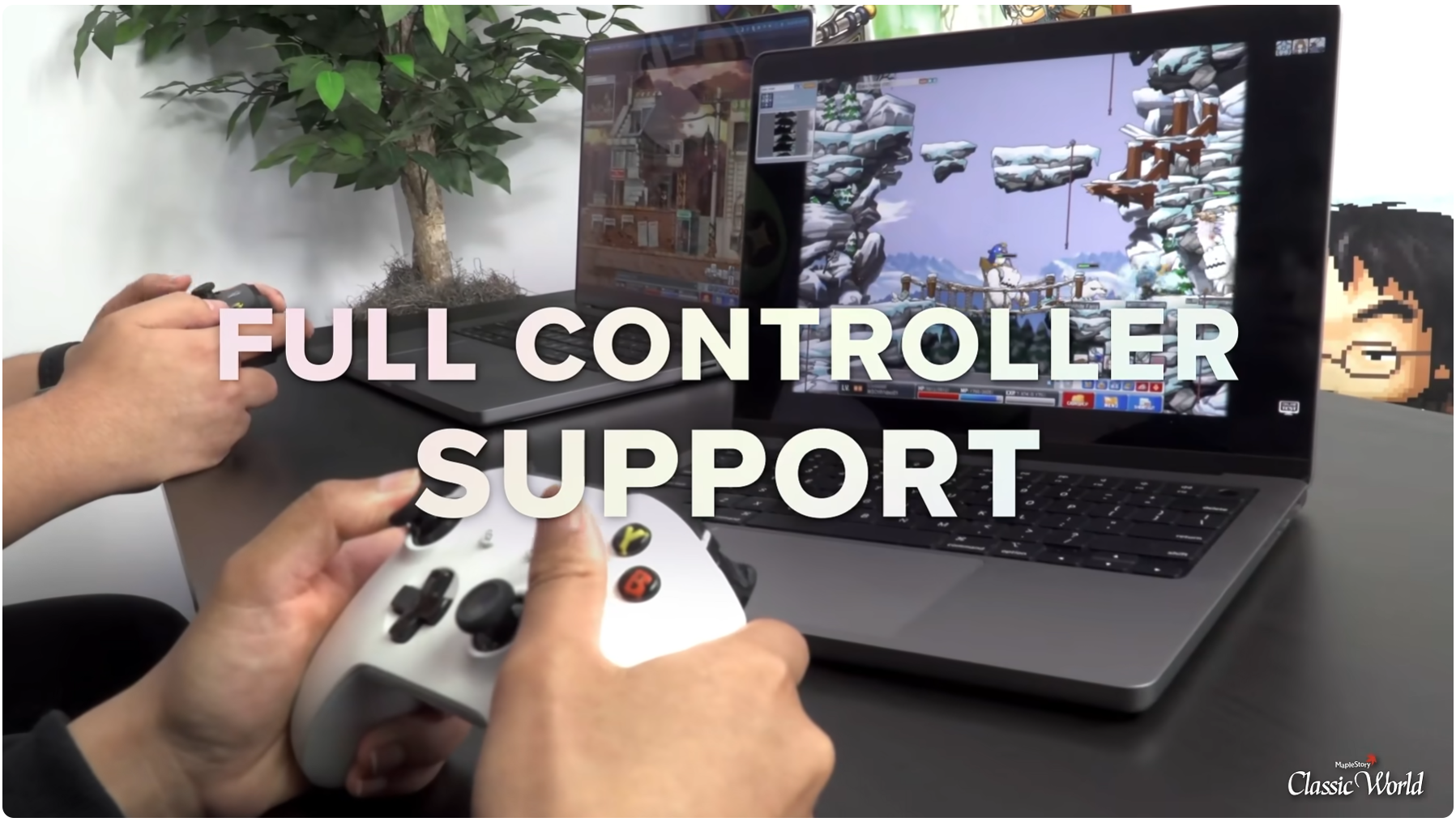
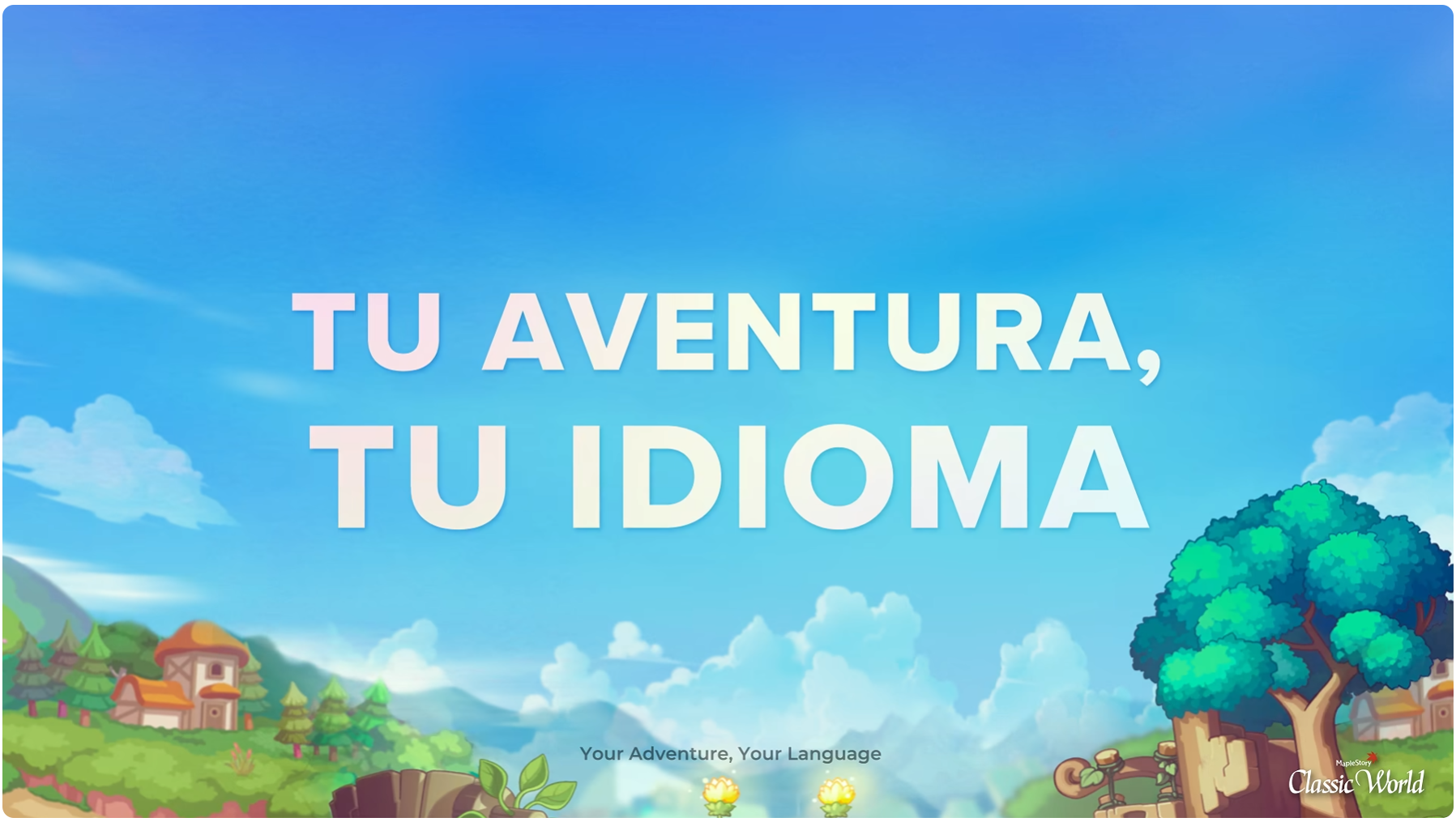
For example, we are working on multilingual support, macOS support, and game controller support.
All of those require meaningful development resources.
If we were thinking only in the short term, it might be far more visible to put those resources into one more quest or one more boss.
But our time horizon is not just the first few months after launch.
We are looking at how this experience can continue to grow as part of the bigger picture three, five, and ten years from now. And that is not a conversation limited to Classic World—it is also part of how we think about the long-term future of Global MapleStory as a whole.
That is why we believe it is important to build a foundation now that allows more people to access MapleStory.
Rather than reacting too strongly to short-term success or failure, we are more focused on what we need to prepare today so that the experience can continue to be loved years from now.
Classic World may begin with nostalgia, but it is not a project that ends with nostalgia.

How large is the Classic World development team today? Did you move resources away from the existing Global MapleStory team to create it?
We did not build Classic World by reducing the existing Global MapleStory team.
In fact, we have continued to maintain and expand the Global MapleStory organization, while hiring additional people and building a separate development group for Classic World.
At the very beginning, Nemi and I were primarily responsible for the initial design and early development, and over time, veterans who had previously worked on MapleStory also came back to participate in the project.
Today, we have a small team specifically assigned to Classic World, and we are running Global MapleStory and Classic World-related development in parallel.
That said, realistically, we are not currently in a position to put as many resources into Classic World as I personally would like.
With everything I would like to do, there are never enough people. (laughs)
But if the project grows well and is received positively by players, I hope that will also help us make a stronger case for greater investment in the project.
If that happens, I think we will be able to show players much more over time.
Ultimately, what role do you hope Classic World will play in the long-term future of MapleStory?
I see it as one of the many things we need to prepare if we want MapleStory to continue being loved for another 10 or 20 years.
From time to time, I hear stories about players who met through MapleStory, got married, and started families together.
Those stories make me immensely proud.
About ten years ago, at an anniversary event, I said that I hoped MapleStory would someday become a game that parents and children could enjoy together.
Some people laughed at the time. (laughs)
But now I think that moment has actually arrived.
People who played MapleStory 20 years ago are now parents, and we have reached a point where they can share the game they enjoyed growing up with their children.
That is very special to me.
So the goal today is not simply to build next year’s MapleStory.
We are asking:
“What should we be preparing now so that people will still be talking about MapleStory 10 or 20 years from now?”
Continuing to improve Global MapleStory is part of that.
Supporting new languages and platforms is part of that.
And Classic World is also part of that process.
Classic World may look back toward the past, but ironically, I think of it as a project designed to help prepare MapleStory for the future.
Finally, what would you like to say to players who are waiting for Classic World?
Classic World will not be exactly the same as the MapleStory you remember.
And I think that is a good thing.
We want to respect the emotions and experiences players loved about MapleStory, while also creating things we were not able to back then.
For some players, I hope it feels like returning home after a long time away.
For others, I hope it becomes an entirely new world where they experience MapleStory for the first time.
And when we look back several years from now, I hope Classic World is remembered not simply as:
“the place where we played old MapleStory again,”
but as another MapleStory where we created new memories.
That is the Classic World we want to build.